


 2026-09-03
With the rapid development of the global new energy industry, domestic demand for exporting photovoltaic products continues to rise. AMASS International has completed an ocean freight export mission for a batch of high-power, high-efficiency monocrystalline photovoltaic modules. The shipment originated from Ningbo Zhoushan Port and was destined for Rotterdam Port, the Netherlands, utilizing full-container ocean freight for efficient direct delivery.
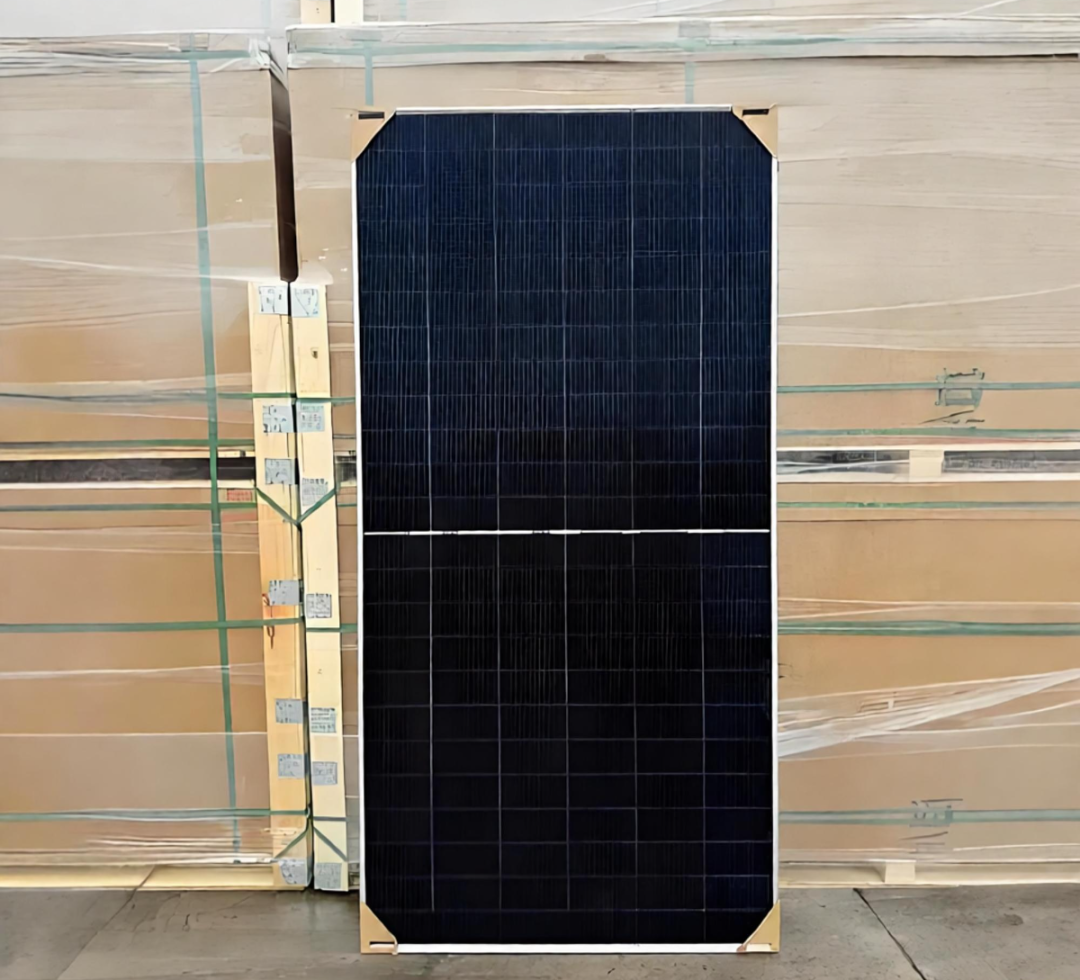
The core product in this shipment was 580W high-power monocrystalline high-efficiency photovoltaic modules. Each module features a large surface area, fragile glass panels, and frames prone to deformation. With large batch volumes and high cargo value, these are classified as oversized, fragile special cargo in the new energy sector.
01 – Core Transport Challenges
Photovoltaic module transport imposes extremely high requirements on handling standards, stacking specifications, moisture and compression resistance, and collision prevention. Ocean voyages are long, with variable maritime climates, making glass breakage, micro-cracks, and frame deformation highly likely due to wave-induced vibration, in-cabin humidity, and improper stacking. Any damage would cause enormous economic losses for the enterprise.
02 – AMASS Develops a Dedicated New Energy Oversized Cargo Logistics Solution
Packaging stage: On top of the original factory packaging, we added waterproof and moisture-proof film wrapping, anti-collision corner protectors, and anti-slip cushioning layers at the bottom for comprehensive reinforcement and protection.
Container loading: Senior professional operators were assigned for on-site work, strictly following photovoltaic cargo stacking standards with orderly layer-by-layer placement. Stacking height and gaps were precisely controlled, supplemented by professional lashing straps and anti-slip securing devices to eliminate cargo shifting and compression damage caused by ocean vibration.
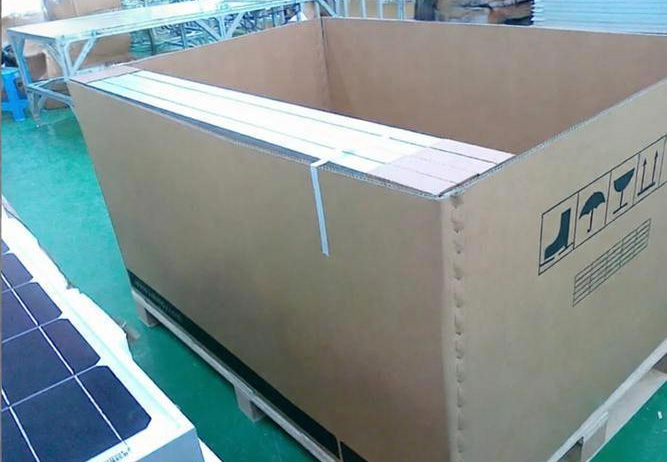
Throughout transport: AMASS implemented full-process visualization management, tracking vessel routes, maritime weather, and in-cabin storage conditions in real time, with logistics information dynamically synchronized to the client for full transparency and traceability. A 24-hour emergency response mechanism was established for unforeseen ocean freight situations, ready to handle any issues related to navigation, ports, and destination customs clearance at any time.
Through refined management across the entire process, this batch of photovoltaic modules successfully arrived at Rotterdam Port. Upon on-site unpacking and verification by the overseas client, all cargo was found to be intact, with no surface defects and normal performance parameters – fully meeting overseas project construction standards, with delivery timing perfectly aligned with the client's project schedule.
 2026-09-03
With the rapid development of the global new energy industry, domestic demand for exporting photovoltaic products continues to rise. AMASS International has completed an ocean freight export mission for a batch of high-power, high-efficiency monocrystalline photovoltaic modules. The shipment originated from Ningbo Zhoushan Port and was destined for Rotterdam Port, the Netherlands, utilizing full-container ocean freight for efficient direct delivery.
The core product in this shipment was 580W high-power monocrystalline high-efficiency photovoltaic modules. Each module features a large surface area, fragile glass panels, and frames prone to deformation. With large batch volumes and high cargo value, these are classified as oversized, fragile special cargo in the new energy sector.
01 – Core Transport Challenges
Photovoltaic module transport imposes extremely high requirements on handling standards, stacking specifications, moisture and compression resistance, and collision prevention. Ocean voyages are long, with variable maritime climates, making glass breakage, micro-cracks, and frame deformation highly likely due to wave-induced vibration, in-cabin humidity, and improper stacking. Any damage would cause enormous economic losses for the enterprise.
02 – AMASS Develops a Dedicated New Energy Oversized Cargo Logistics Solution
Packaging stage: On top of the original factory packaging, we added waterproof and moisture-proof film wrapping, anti-collision corner protectors, and anti-slip cushioning layers at the bottom for comprehensive reinforcement and protection.
Container loading: Senior professional operators were assigned for on-site work, strictly following photovoltaic cargo stacking standards with orderly layer-by-layer placement. Stacking height and gaps were precisely controlled, supplemented by professional lashing straps and anti-slip securing devices to eliminate cargo shifting and compression damage caused by ocean vibration.
Throughout transport: AMASS implemented full-process visualization management, tracking vessel routes, maritime weather, and in-cabin storage conditions in real time, with logistics information dynamically synchronized to the client for full transparency and traceability. A 24-hour emergency response mechanism was established for unforeseen ocean freight situations, ready to handle any issues related to navigation, ports, and destination customs clearance at any time.
Through refined management across the entire process, this batch of photovoltaic modules successfully arrived at Rotterdam Port. Upon on-site unpacking and verification by the overseas client, all cargo was found to be intact, with no surface defects and normal performance parameters – fully meeting overseas project construction standards, with delivery timing perfectly aligned with the client's project schedule.

